
Why Handmade Leather Goods Matter in Dubai’s Luxury Market
Dubai’s luxury market has long been associated with scale, spectacle, and global brands. Towering malls, flagship stores, and limited editions define a city that celebrates excellence without compromise. Yet beneath this polished surface, a quieter shift is taking place. Discerning buyers are moving beyond logos and mass recognition, searching instead for meaning, origin, and authenticity. This evolution has opened space for handmade leather goods in Dubai to stand apart from industrial luxury. In a market saturated with precision-made sameness, handcrafted pieces introduce imperfection as a form of honesty. They tell stories that machines cannot replicate. Luxury, in this context, is no longer about how many units are produced or how fast trends move, but about depth, intention, and the human hand behind each object. Keep in touch with SHUKLEATHER store.
Handmade Leather Goods in Dubai: Beyond Surface Luxury
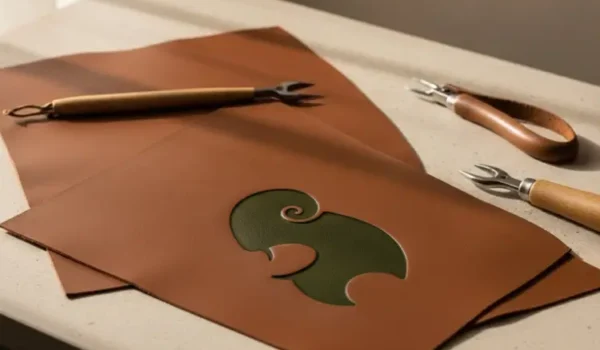
At first glance, many leather products may appear similar—smooth finishes, clean cuts, polished presentation. However, the distinction between handmade leather goods in Dubai and mass-produced alternatives lies far beneath the surface. Handmade leather carries the imprint of time: time spent selecting hides, cutting patterns by hand, and assembling each piece with intention. Unlike factory-made goods designed for uniformity, handcrafted leather accessories embrace subtle variations that make each item unique. In Dubai’s competitive luxury environment, where exclusivity is a currency of its own, this individuality holds powerful appeal. Buyers are no longer satisfied with products that look luxurious; they want items that feel personal. Handmade leather achieves this through tactile depth, natural grain, and construction methods that prioritize longevity over speed. The result is not simply an accessory, but a companion that evolves with its owner. Scratches become memories, patina becomes character. In a city that values progress, handmade leather represents a slower, more thoughtful form of advancement—one that respects materials, makers, and the people who choose to carry them.
Handmade vs Mass-Produced Leather: A Fundamental Difference
The comparison between handmade vs mass-produced leather reveals more than just differences in technique—it exposes two entirely different philosophies. Mass production is built around efficiency, cost reduction, and scalability. Machines cut faster, assemble quicker, and replicate endlessly. While this approach ensures consistency, it often sacrifices soul. Handmade leather, by contrast, is governed by judgment, touch, and experience. Every cut responds to the grain of the hide. Every stitch reflects a decision made by a craftsman, not an algorithm. In the context of Dubai’s luxury market, this distinction matters deeply. Luxury consumers are increasingly aware of how products are made, not just how they look. They recognize that mass-produced leather often relies on corrected hides, synthetic coatings, and shortcuts that prioritize appearance over durability. Handmade leather avoids these compromises. It celebrates natural leather in its truest form, allowing texture and variation to remain visible. This authenticity creates trust between brand and customer—an unspoken understanding that the product was made with care, not haste. In a world of excess, restraint becomes the ultimate luxury.
The Role of Persian Leather Craftsmanship
Persian leather craftsmanship carries centuries of tradition, shaped by trade routes, cultural exchange, and an enduring respect for materials. This heritage is not defined by ornament alone, but by discipline—clean lines, balanced proportions, and an intuitive understanding of leather’s behavior. In the modern landscape of handcrafted leather accessories in Dubai, Persian craftsmanship offers a refined counterbalance to trend-driven design. It brings depth without excess, elegance without noise. Each technique has been passed down through observation and practice rather than manuals or machines. This lineage creates products that feel grounded, timeless, and quietly confident. Persian leather craftsmanship does not seek attention; it earns it through quality. In a city where global influences converge, this heritage resonates strongly with individuals who value cultural authenticity. It aligns seamlessly with Dubai’s appreciation for luxury that is rooted, not manufactured. When integrated into contemporary design, Persian craftsmanship becomes a bridge—connecting past and present, tradition and modern living. It reinforces the idea that true luxury is not invented overnight, but cultivated patiently over generations.
Handcrafted Leather Accessories as Personal Statements
Handcrafted leather accessories are not designed to blend into the background. They are meant to reflect identity. In Dubai, where personal style often serves as a form of self-expression, handmade leather offers something mass-produced items cannot: emotional resonance. A handcrafted piece carries the quiet confidence of knowing it was made intentionally, not assembled anonymously. From wallets to bags, these items become extensions of the individual—chosen not because they are trending, but because they align with personal values. Handcrafted leather accessories in Dubai appeal to those who appreciate subtle distinction over overt branding. They signal taste rather than status. The tactile experience alone—the weight, the texture, the smell of real leather—creates a sensory connection that factory products struggle to replicate. Over time, these accessories evolve, adapting to the lifestyle of their owner. This evolution transforms them into personal artifacts rather than disposable fashion. In a city that celebrates ambition and individuality, handcrafted leather stands as a reminder that luxury is most powerful when it feels personal, intentional, and enduring.
Sustainability and Responsibility in Handmade Leather
Luxury today is inseparable from responsibility. Consumers in Dubai are increasingly mindful of sustainability, ethical sourcing, and long-term impact. Handmade leather goods naturally align with these values. Small-batch production reduces waste, avoids overstock, and emphasizes quality over quantity. Craftsmen work closely with materials, ensuring that hides are used thoughtfully rather than discarded for minor imperfections. This contrasts sharply with mass production, where speed often leads to excess and disposability. Handmade leather goods in Dubai represent a more conscious approach to consumption—one that values durability and repairability. A well-made leather piece can last decades, reducing the need for constant replacement. This longevity transforms leather goods from short-term purchases into long-term investments. Responsibility, in this sense, becomes part of the luxury narrative. Choosing handmade is not only a style decision, but an ethical one. It reflects an awareness that true luxury should respect resources, people, and time. In a forward-thinking city like Dubai, this mindset is shaping the future of high-end craftsmanship.
Time as the True Luxury Element
In the world of handmade leather, time is not a limitation—it is the defining ingredient. Every handcrafted piece requires hours of focused labor, from pattern making to final finishing. This investment of time is precisely what sets handmade leather apart in Dubai’s fast-paced luxury environment. While mass-produced items are designed for immediate availability, handmade leather embraces patience. This patience results in stronger construction, better material integrity, and thoughtful detailing. Time allows craftsmen to respond to the leather rather than force it into uniformity. It allows mistakes to be corrected, edges to be refined, and finishes to mature naturally. For the customer, this time translates into value that extends far beyond the moment of purchase. Owning a handmade piece is a reminder that not everything meaningful needs to be instant. In a city defined by speed and innovation, handmade leather introduces balance—a quiet pause that redefines what luxury truly means.
Emotional Value vs Commercial Value
Mass-produced luxury often focuses on commercial value—branding, resale potential, and seasonal relevance. Handmade leather, however, operates on emotional value. The knowledge that an item was crafted by human hands creates a connection that cannot be quantified. In Dubai’s luxury market, where many products compete for attention, emotional resonance becomes a powerful differentiator. Handmade leather goods invite attachment. They are chosen deliberately, cared for intentionally, and kept for longer periods. This emotional investment elevates them beyond accessories into meaningful possessions. Scratches, creases, and wear marks are not flaws; they are records of experience. This perspective shifts the definition of luxury from perfection to authenticity. In a market that increasingly values storytelling, handmade leather offers narratives rooted in real human effort rather than marketing constructs. It appeals to those who understand that the most valuable objects are often the ones that carry personal meaning rather than public recognition.
SHUKLEATHER and the Philosophy of Handcraft
At SHUKLEATHER store, handmade is not a trend—it is a foundation. Every piece reflects a commitment to craftsmanship, restraint, and cultural depth. Drawing from Persian leather craftsmanship, SHUKLEATHER creates products that honor tradition while remaining relevant to modern life in Dubai. The brand stands intentionally apart from mass-produced luxury, choosing process over speed and substance over scale. This philosophy aligns naturally with clients who seek more than surface-level elegance. Through careful material selection and hands-on construction, SHUKLEATHER reinforces the idea that luxury leather goods in Dubai can be both refined and meaningful. The brand’s approach invites customers to slow down, to appreciate detail, and to connect with the story behind each piece. This connection transforms ownership into experience—one rooted in authenticity rather than excess.
Redefining Luxury Through Handmade Craft
The future of luxury in Dubai is not defined by how much can be produced, but by how thoughtfully something is made. Handmade leather goods represent a return to values that transcend trends: quality, intention, and human connection. As consumers become more discerning, the distinction between handmade vs mass-produced leather grows increasingly significant. Handmade leather offers clarity in a crowded market—a reminder that true luxury does not shout, but speaks quietly through craftsmanship. By embracing handcraft, brands and consumers alike participate in a more meaningful luxury culture. One that respects heritage, values sustainability, and prioritizes lasting beauty. In this evolving landscape, handmade leather is not a niche—it is a statement. A statement that luxury, at its finest, is deeply human.